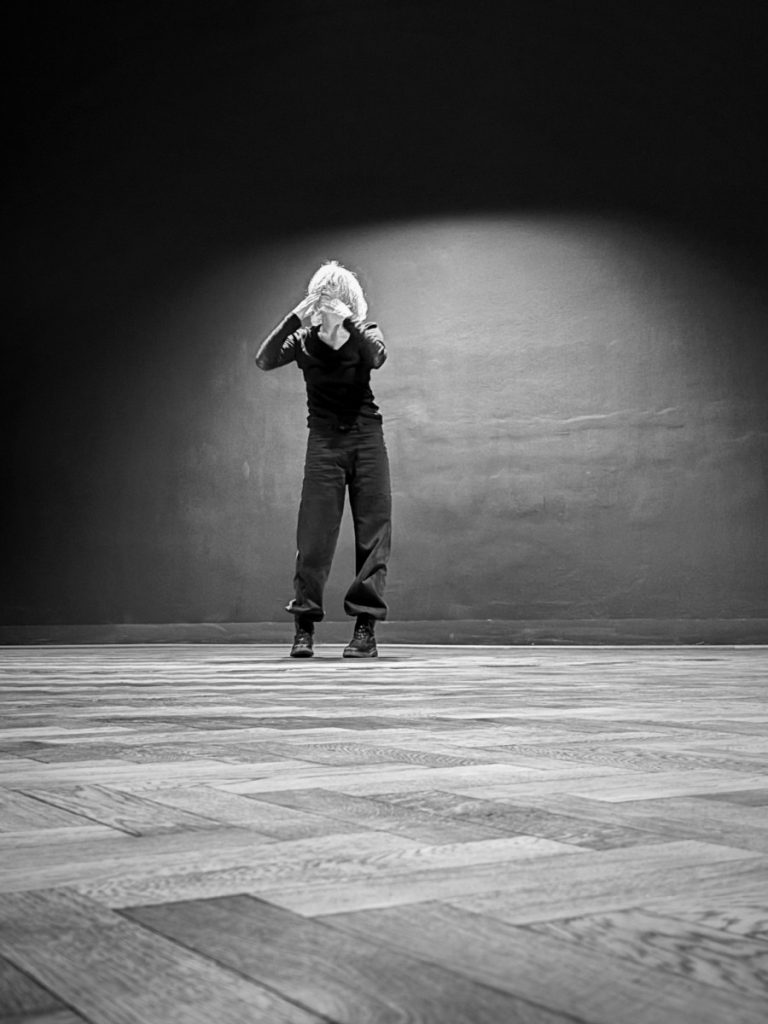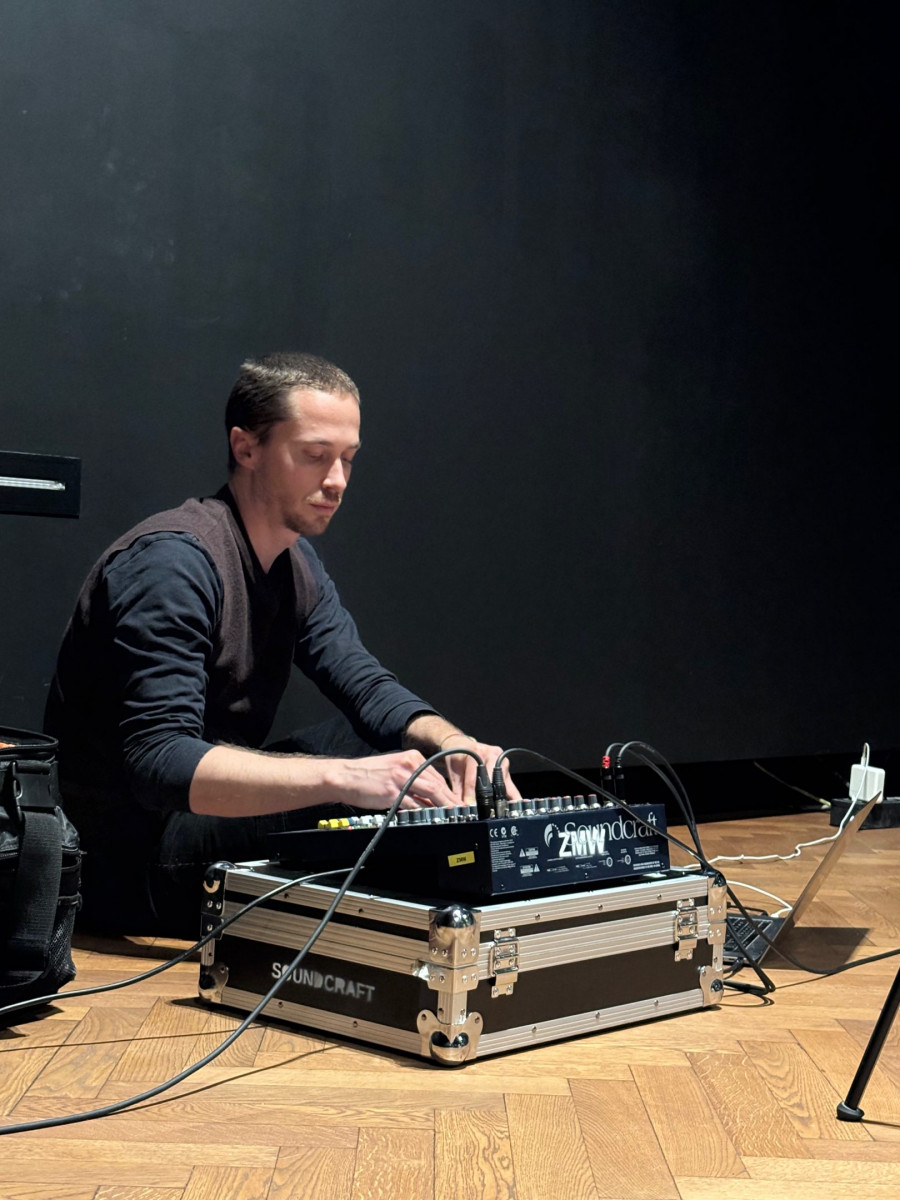
The first OLFAC Artist Residency was dedicated to exploring the dynamic relationship between smell, affect, and bodily movement. Building on her long-term choreographic research project ELP, choreographer Paola Bianchi, together with the musician-composer Stefano Murgia, expanded her methodology by integrating olfactory stimuli into choreographic and sonic experimentation.
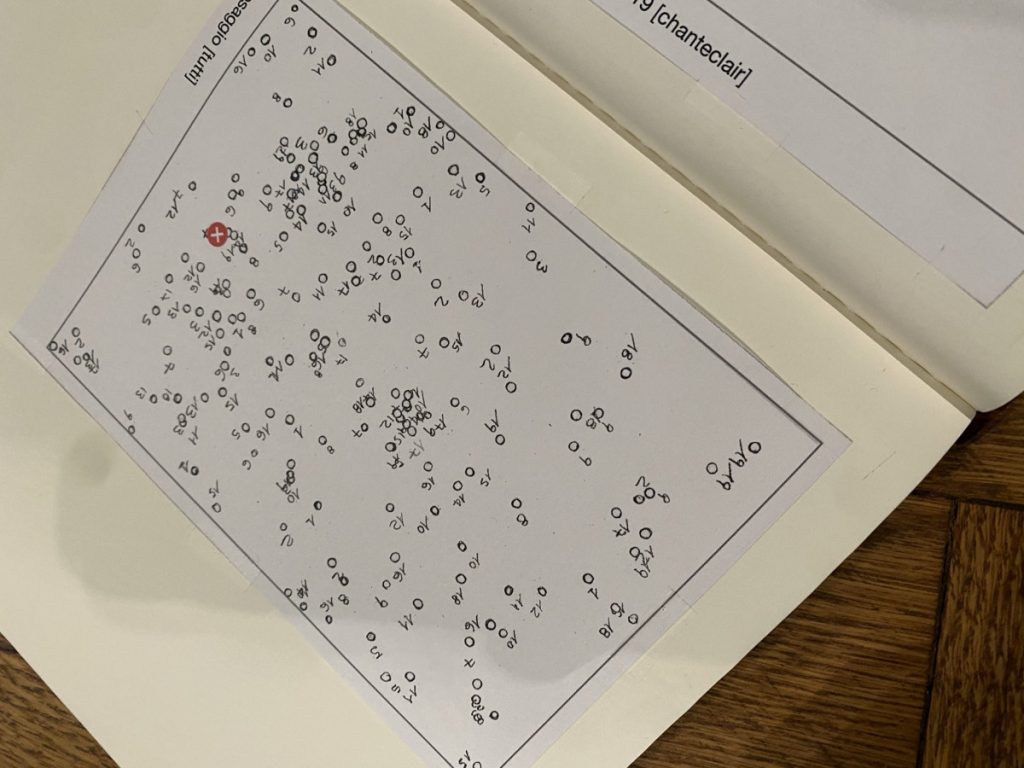
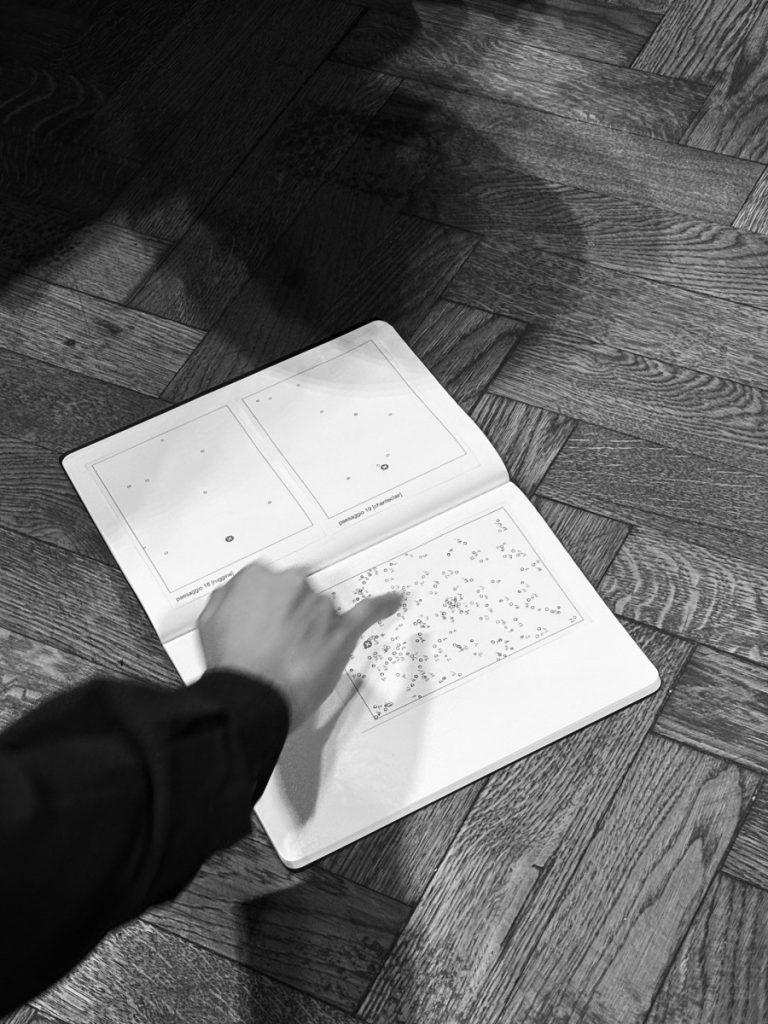
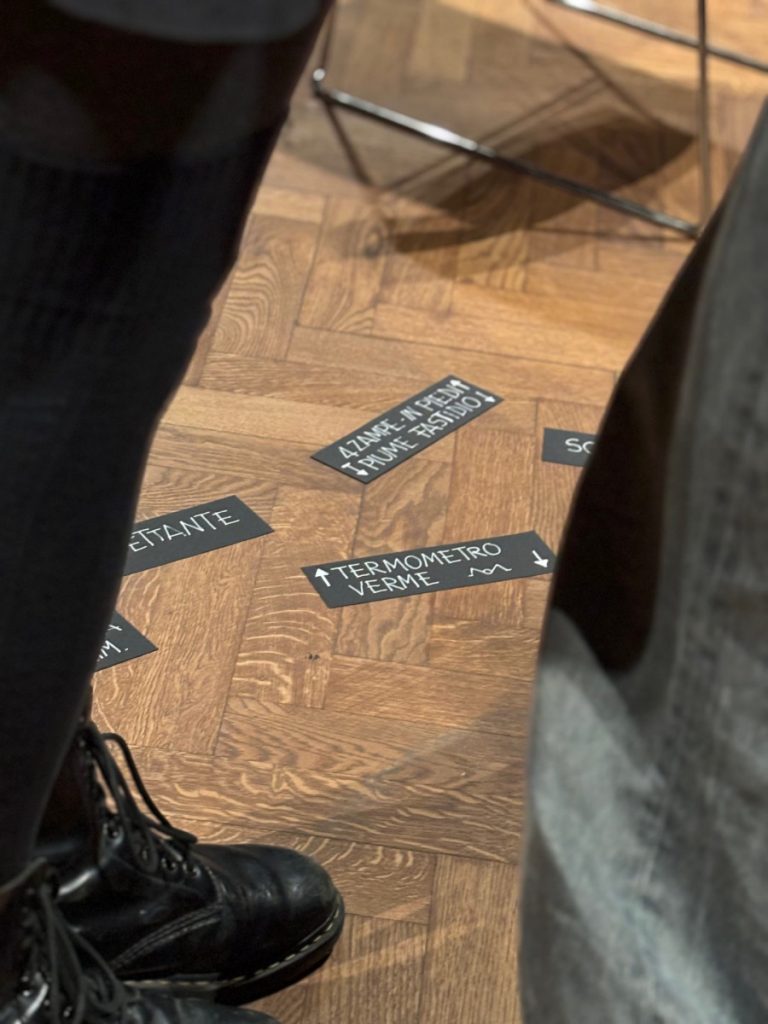
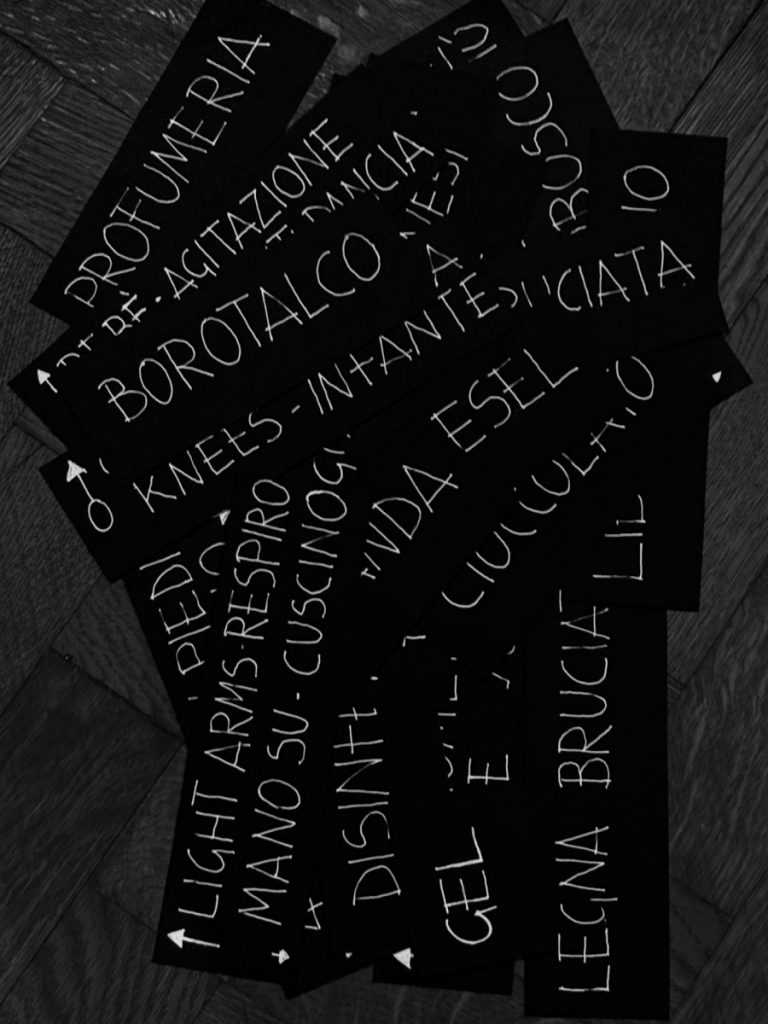
The residency unfolded through a two-part process between Italy and Austria. In Italy, Paola and Stefano conducted a series of interviews to assemble a register of olfactory associations: a sensorial compendium of how participants across generations linked particular emotional states to specific smells, and how these associations manifested somatically. Arriving in Austria with this corpus of material, they initiated a second phase at the Francisco Carolinum (FC) Linz, transforming the Italy-based participants’ olfactory-emotional mappings into spatial coordinates. New participants were invited into the museum space and asked to “retranslate” the extracted scents from the Italian conversations—now presented to them as material samples without verbal descriptions—into verbal, pitches (Where does each smell resonate in your body? What kind of pitch does it have? Low? High?) and spatial responses. Through this reciprocal engagement, smell became a vector of translation: between bodies, sensorial registers and scales of cultural conditioning.
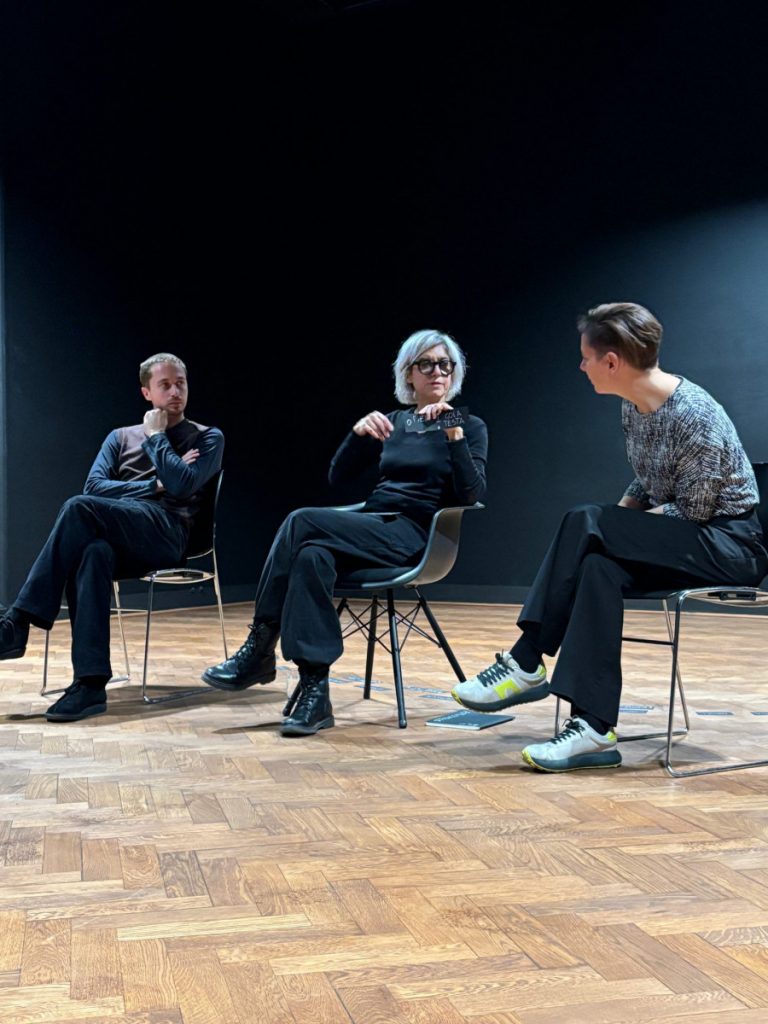
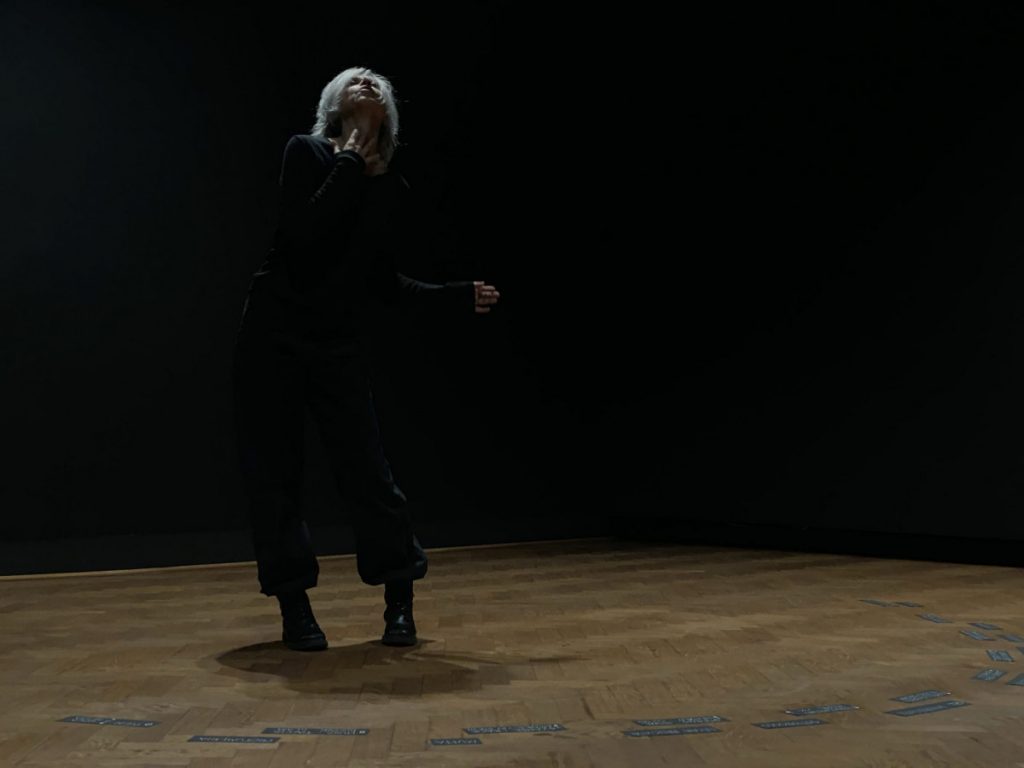
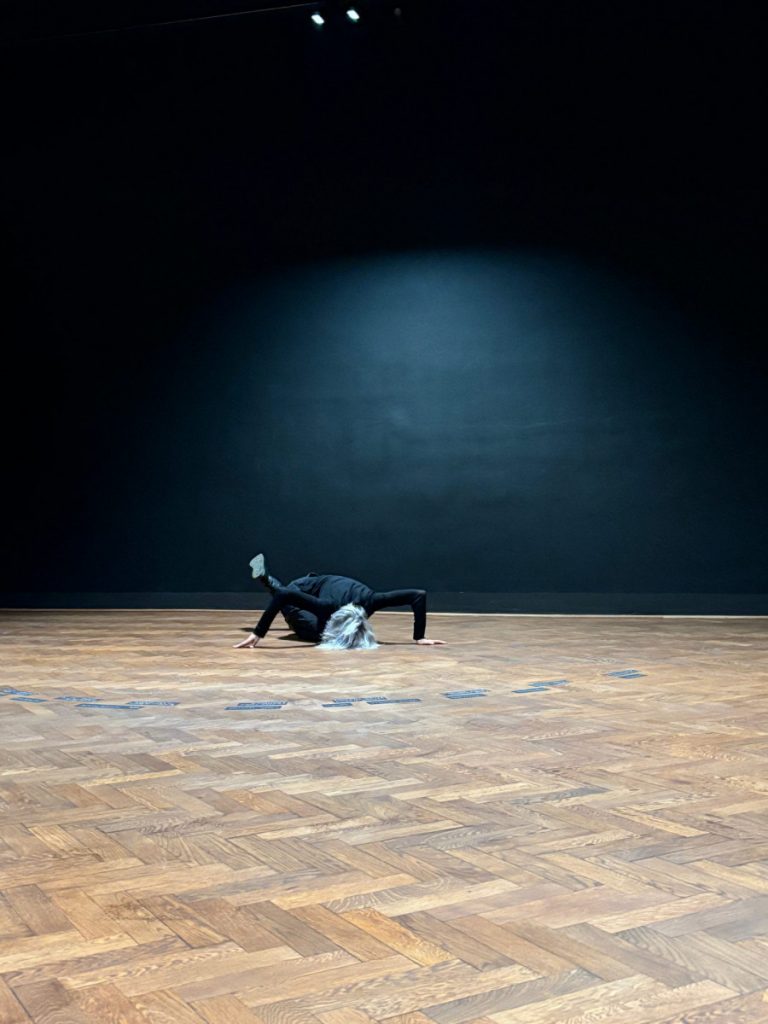
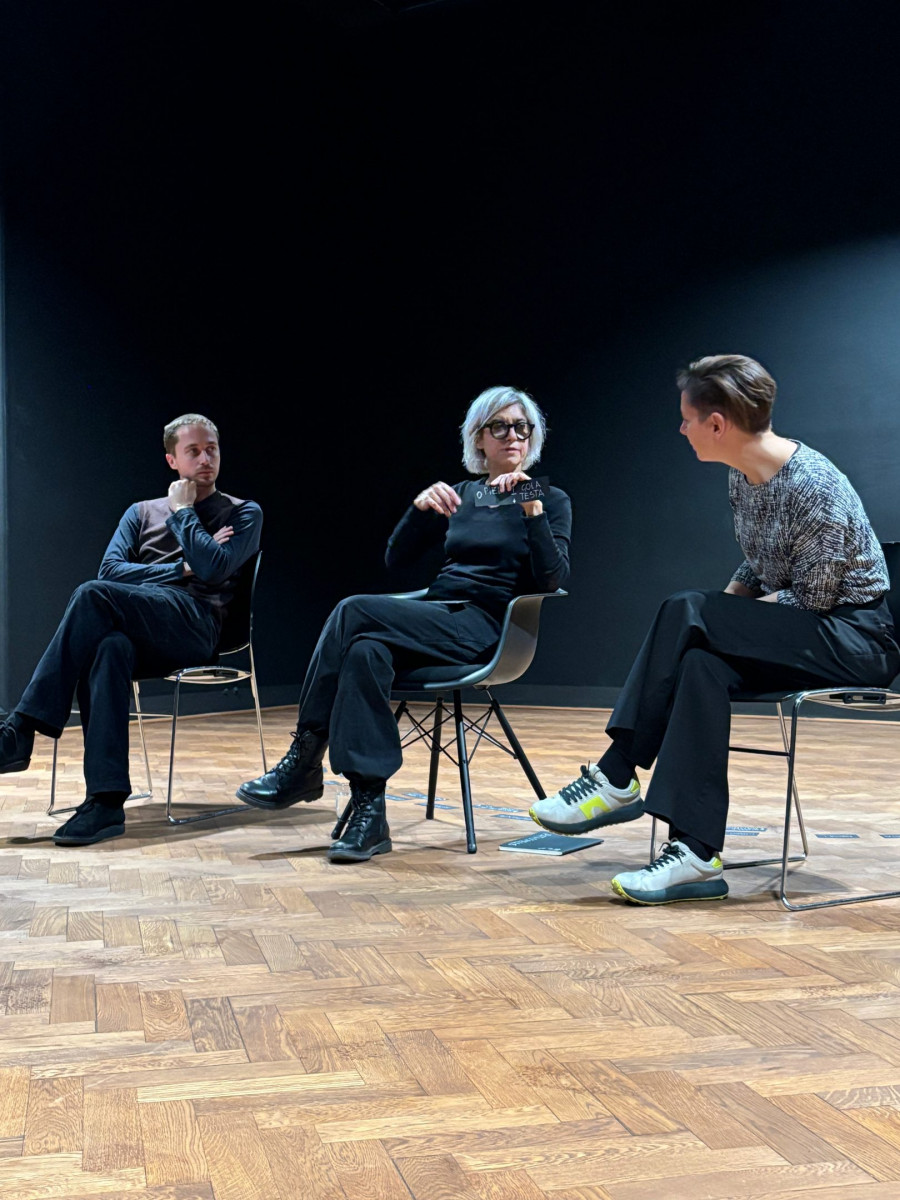
From these interwoven practices, Paola developed a choreographic work in which she offered her body as a medium for this layered research. Rather than illustrating specific scents, the work traced how olfactory memories and affective intensities move through the body, generating new states of the body, tension, and release. The resulting piece was presented twice, once at the OLFAC Symposium at the ifk Vienna, and once as a public showing at the Francisco Carolinum (FC) Linz, each followed by a moderated artist talk. Paola’s residency was further accompanied by an academic seminar led by Silke Felber at the University of Arts Linz, and a public gathering in November; allowing students, colleagues, and members of the public to engage directly with the artistic process and the wider research trajectory of the OLFAC project.